The Importance of Water in Animal Nutrition
Water is the most important macronutrient for animals. It is involved in all metabolic processes, biochemical reactions, thermoregulation, and waste elimination, critically affecting systemic health and survival. Water requirements depend on the productive species and both external factors (environmental temperature, diet composition, humidity) and intrinsic factors (productive category and cycle phase such as pregnancy and lactation, age, physical activity) (Cherian, 2019; FAO, 2024). Furthermore, limited water access causes dehydration and stress, resulting in decreased productivity (Landefeld et al., 2003). Therefore, ensuring adequate water supply is crucial in every scenario.
Drinking Water Quality in Animal Production
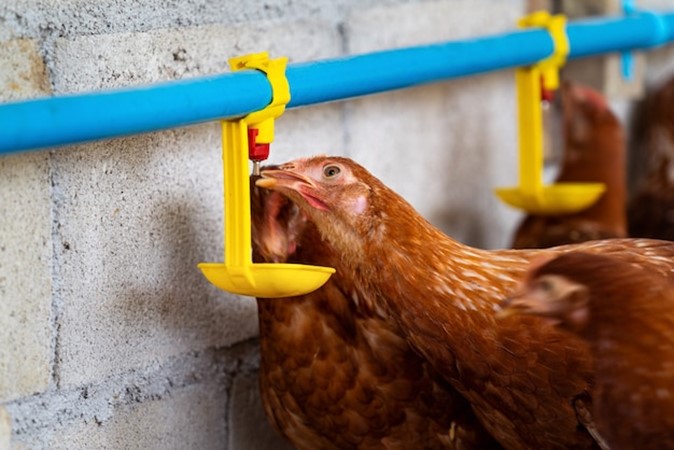
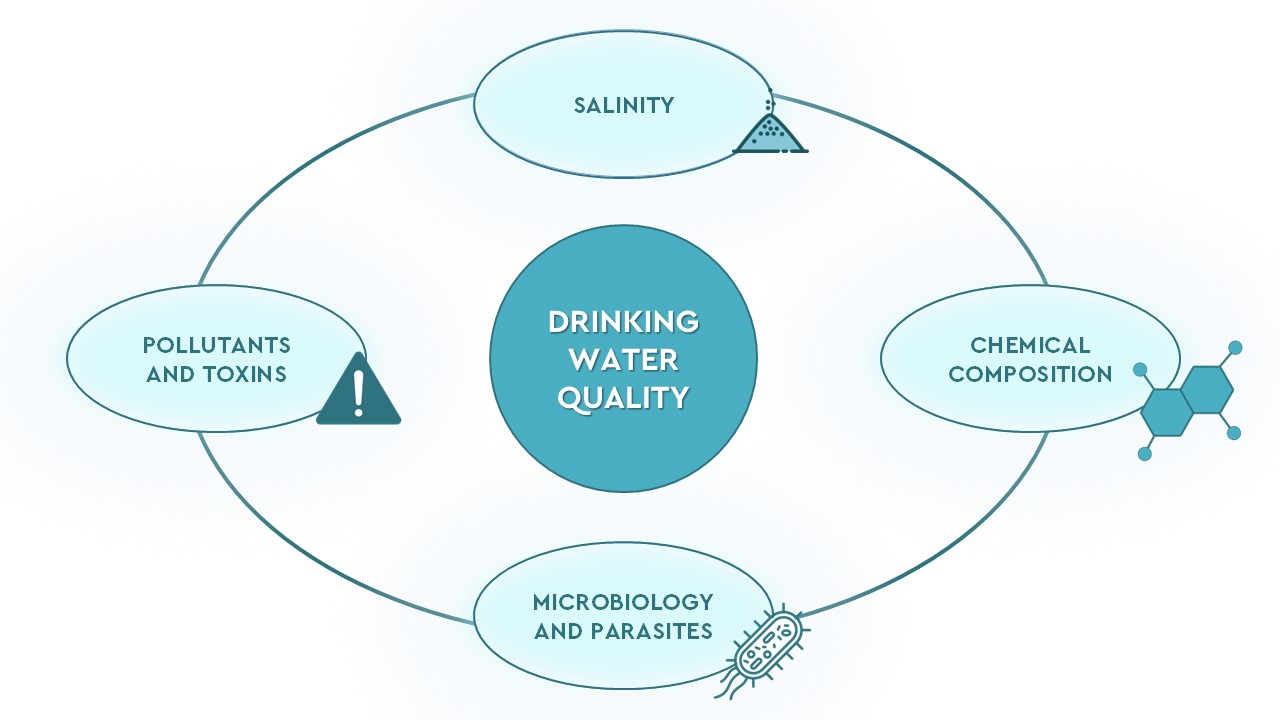
Oral intake is the main source of water for productive animals, but drinking water can carry microbiological contaminants, parasites, heavy metals, excess minerals and other toxic substances such as pesticides (Landefeld et al., 2003). Water quality directly affects intake, performance and health. For example, high salinity (> 1,000 mg/L of soluble salts) can cause diarrhea and water refusal, reducing growth and productivity (Cherian, 2019). The proliferation of pathogenic microorganisms (cyanobacteria, coliforms) in water systems can cause digestive disorders, liver damage, nervous system alterations, respiratory infections and even death of animals (Duppstadt, 2024).
In this context, pH is a quality parameter related to the mineral content in solution, which directly affects the palatability and biosecurity of drinking water. In short, pH is the measure of alkalinity (pH > 7) and acidity (pH < 7) of water. Although most farms use alkaline water, a more neutral pH between 6.8 and 7.5 is generally recommended for consumption. Highly alkaline water is linked to increased salinity levels, leading to digestive disorders and reduced productivity in animals (Duppstadt, 2024). Furthermore, neutral and slightly acidic water presents a lower risk of microbiological contamination (Aconsa, 2021). Therefore, pH control on a farm is a valuable tool for preserving and improving drinking water quality.
Drinking Water Supplementation for Animal Consumption
An essential point in controlling the pH of drinking water in livestock farms is the use of sanitizing products for water disinfection through acidification. The use of these types of additives allows for regulating the pH to optimal levels for animal consumption. Similarly, the use of other types of additives, such as phytogenic products, food supplements, and medications, through drinking water is common. Administration through drinking water has the advantage of showing a faster effect compared to feed intake, but it poses the challenge of ensuring that the product is soluble, palatable, stable, effective, and compatible with acidifying compounds, in addition to not unbalancing, but rather helping to maintain the optimal pH in the solution (Duppstadt, 2024; Ngatho, 2024).
Biōnte® Quimitōx® Livōx®: Powerful Phytogenics for Mycotoxin Mitigation
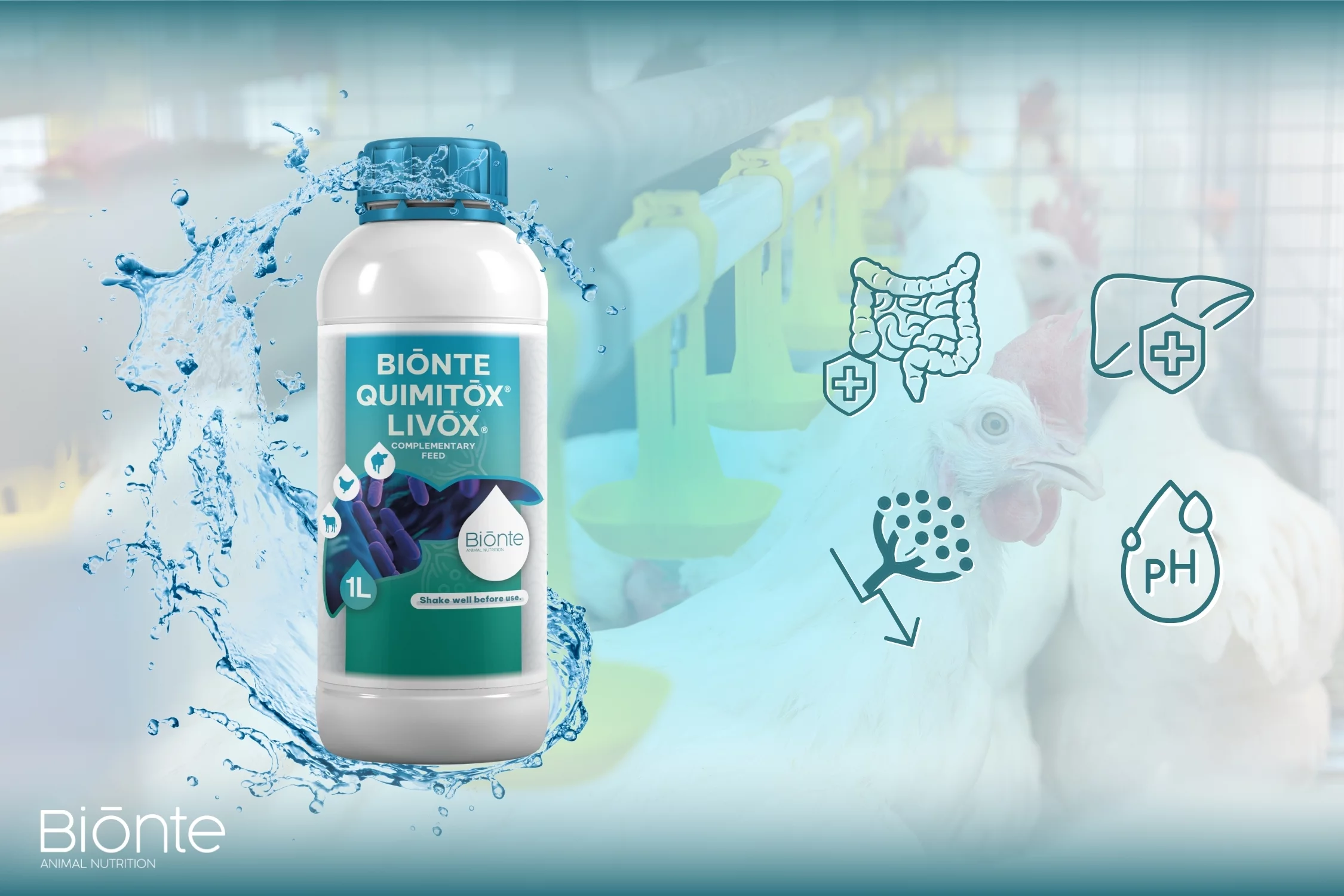
BIŌNTE® QUIMITŌX® LIVŌX® was developed to address mycotoxin-related challenges and promote animal health comprehensively. Selected natural ingredients, such as grape extract and olive extract, have demonstrated antioxidant, anti-inflammatory, and antimicrobial properties that mitigate the negative effects of mycotoxins (Abdel-Moneim et al., 2020). Among its benefits, the product supports the maintenance of intestinal integrity, strengthening the barrier against toxins and pathogens and restoring digestive functionality; thanks to the high antioxidant capacity of its phytogenic components, it counteracts oxidative stress induced by mycotoxins, protecting cells and tissues; it also detoxifies and protects the liver, a key organ for metabolism (Taranu et al., 2019). BIŌNTE® QUIMITŌX® LIVŌX® is completely soluble and palatable, designed for water administration for rapid mitigation of oxidative stress and its consequences on animal health under mycotoxin exposure conditions.
Biōnte® Quimitōx® Livōx® Improves Drinking Water Quality
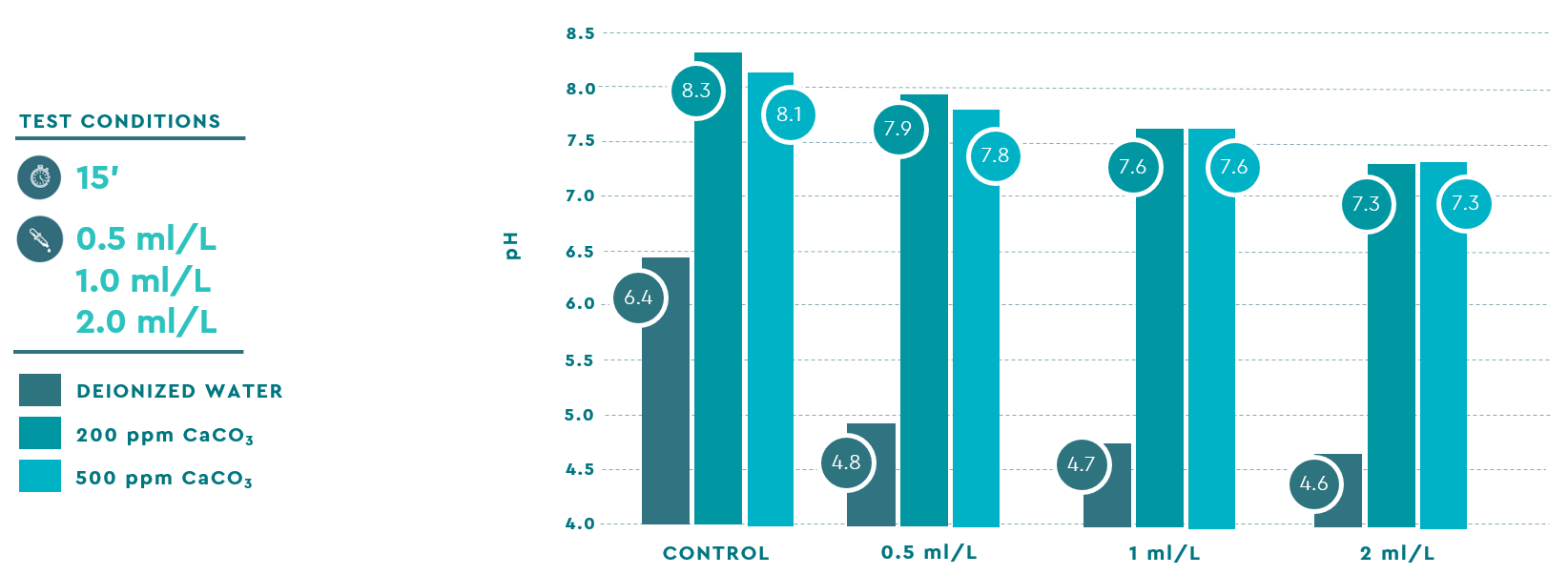
Given the relevance of pH in drinking water, the effect of BIŌNTE® QUIMITŌX® LIVŌX® on acidity has been studied. Most pathogenic microorganisms proliferate at alkaline pH; acidic products like BIŌNTE® QUIMITŌX® LIVŌX® therefore present a lower microbiological risk and can have a preservative effect in matrices such as drinking water or feed (Aconsa, 2021). An in vitro study evaluated the ability to modify water pH at different doses and under controlled hardness. The product demonstrated the ability to reduce pH under different salinity conditions, an important characteristic since an acidic pH hinders pathogen growth and mycotoxin production by fungi.
pH Regulation in Different Geographical Areas
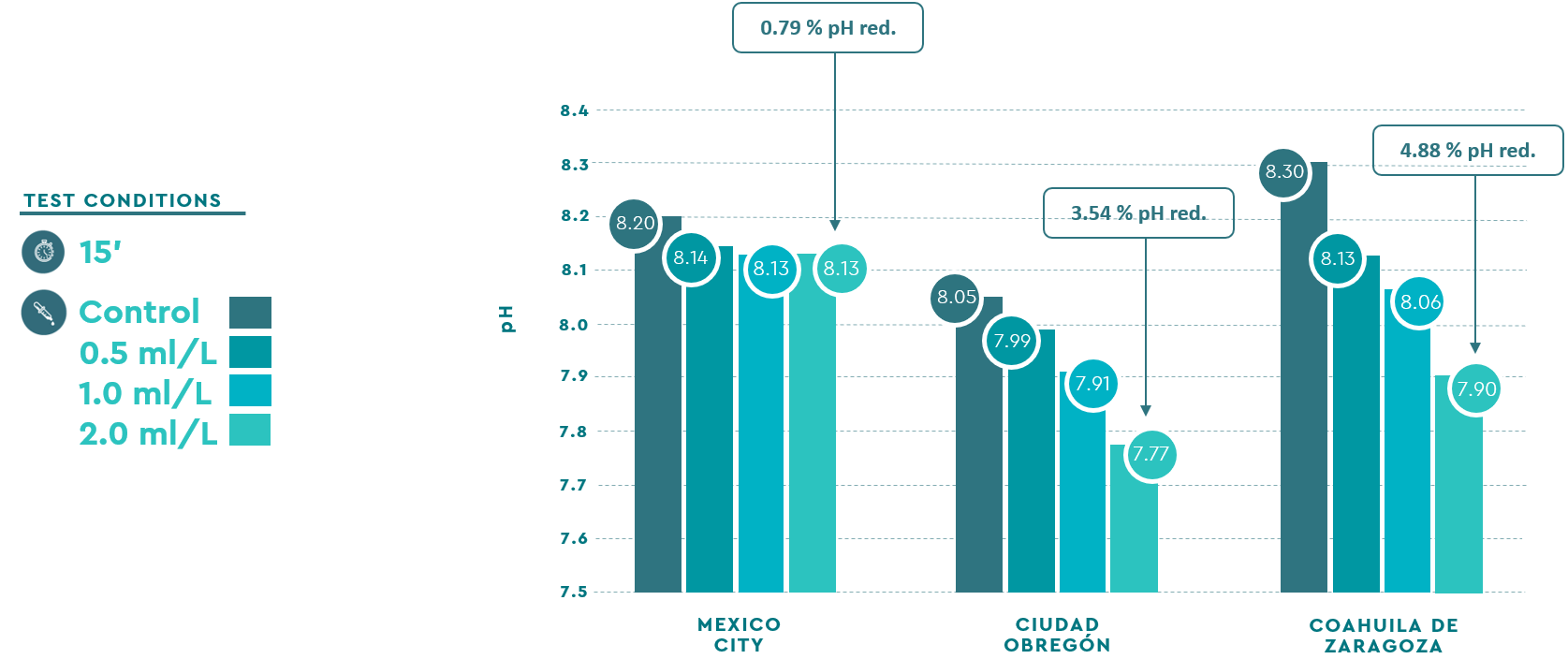
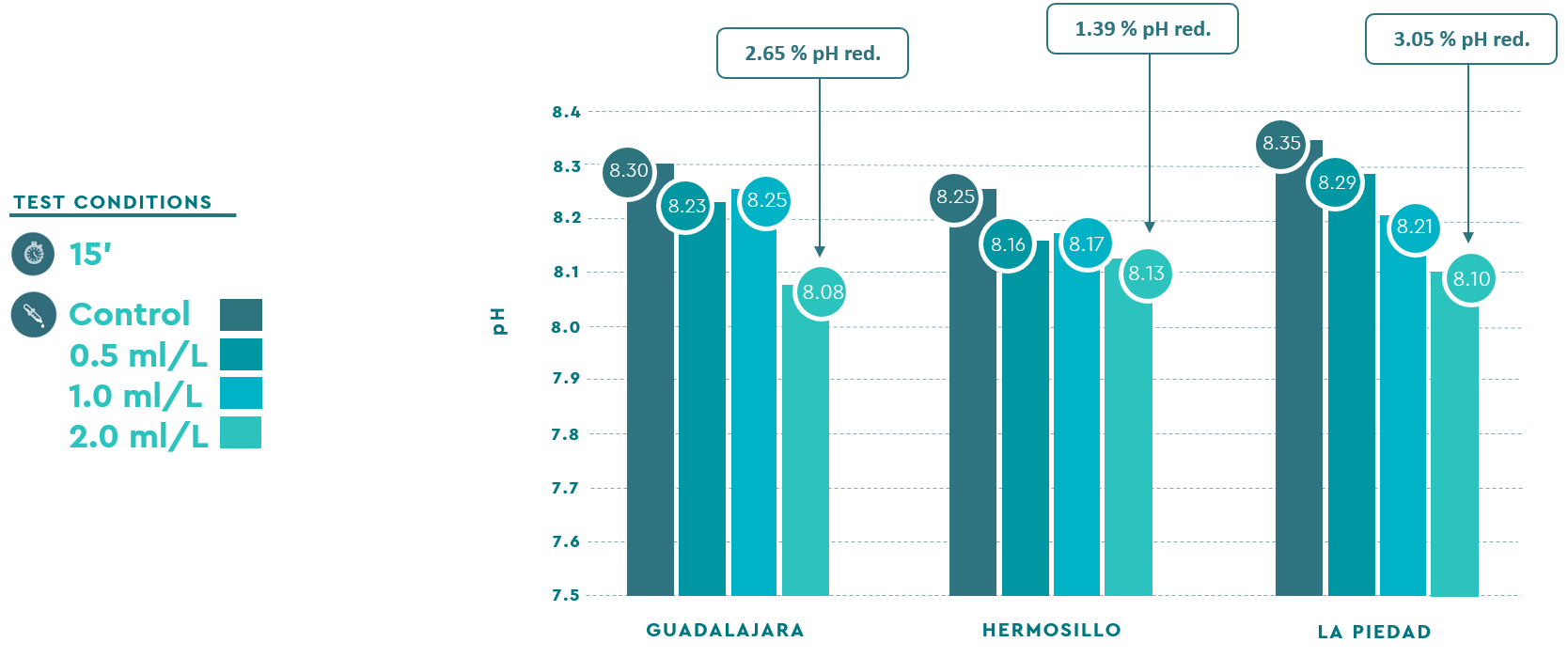
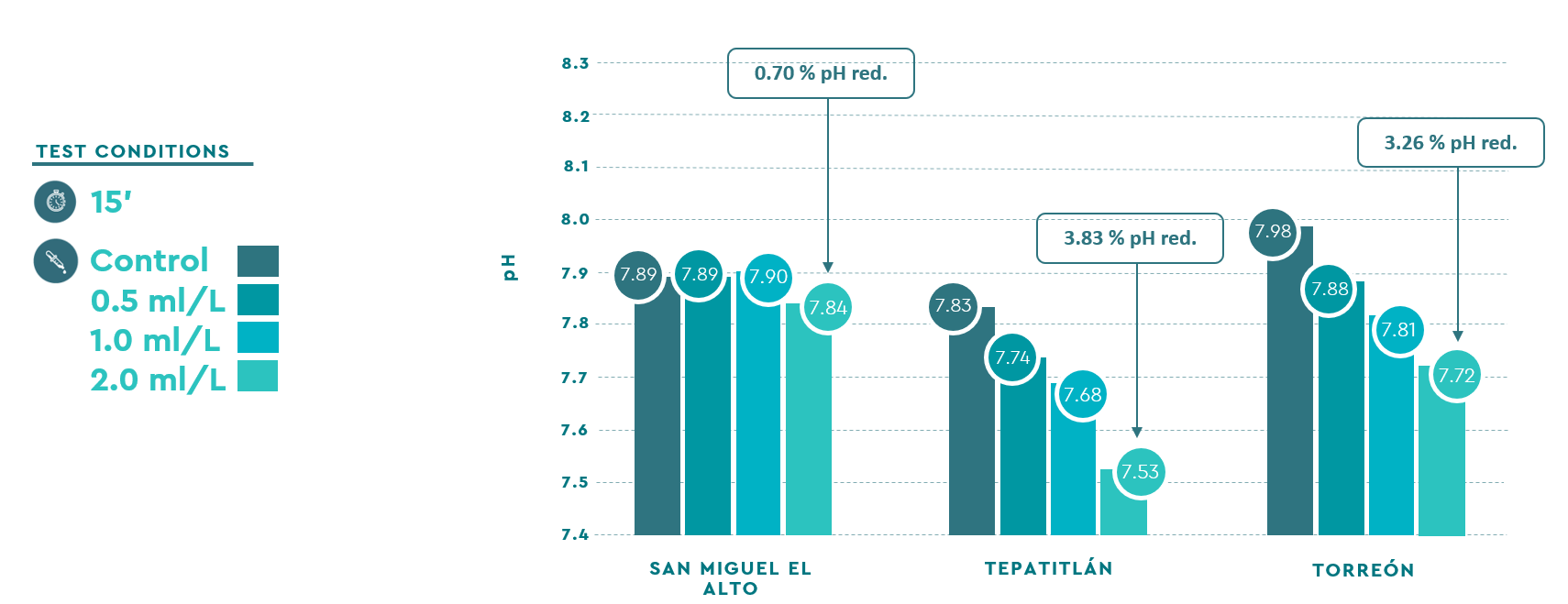
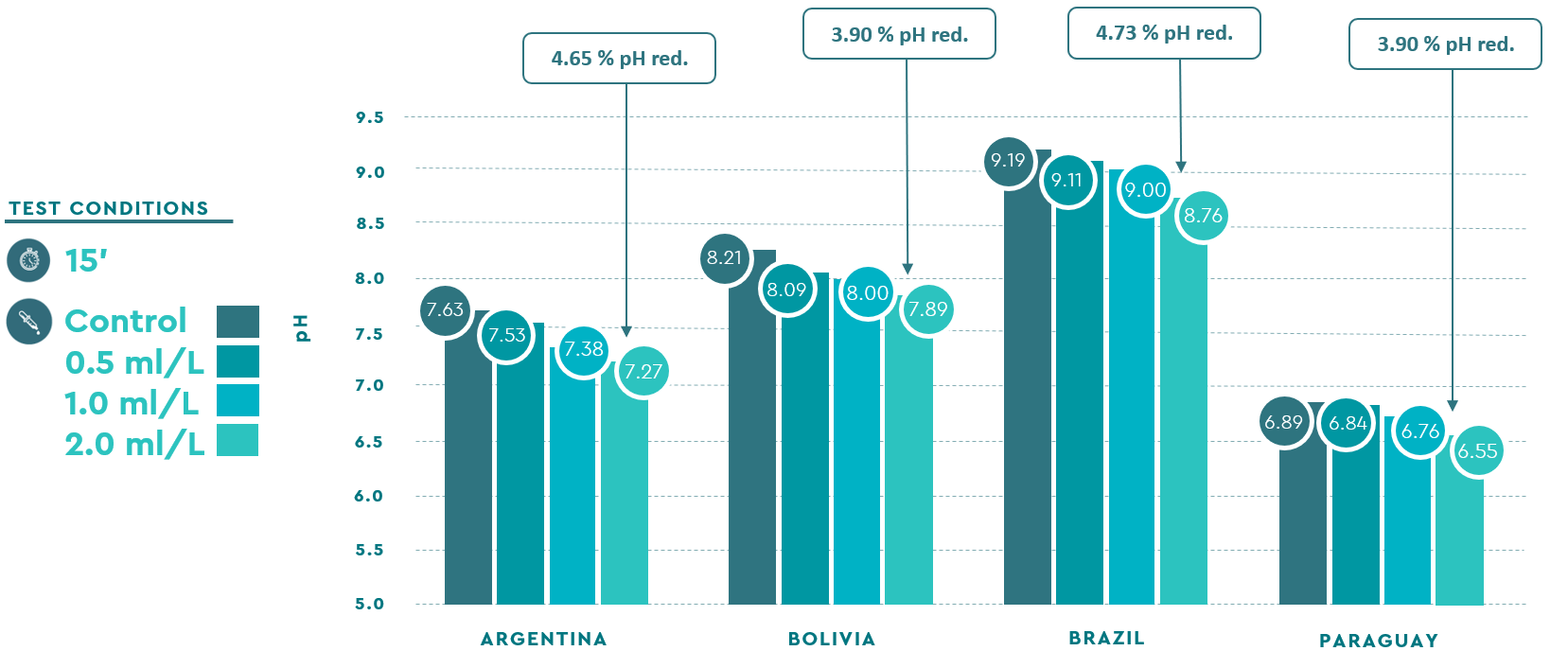
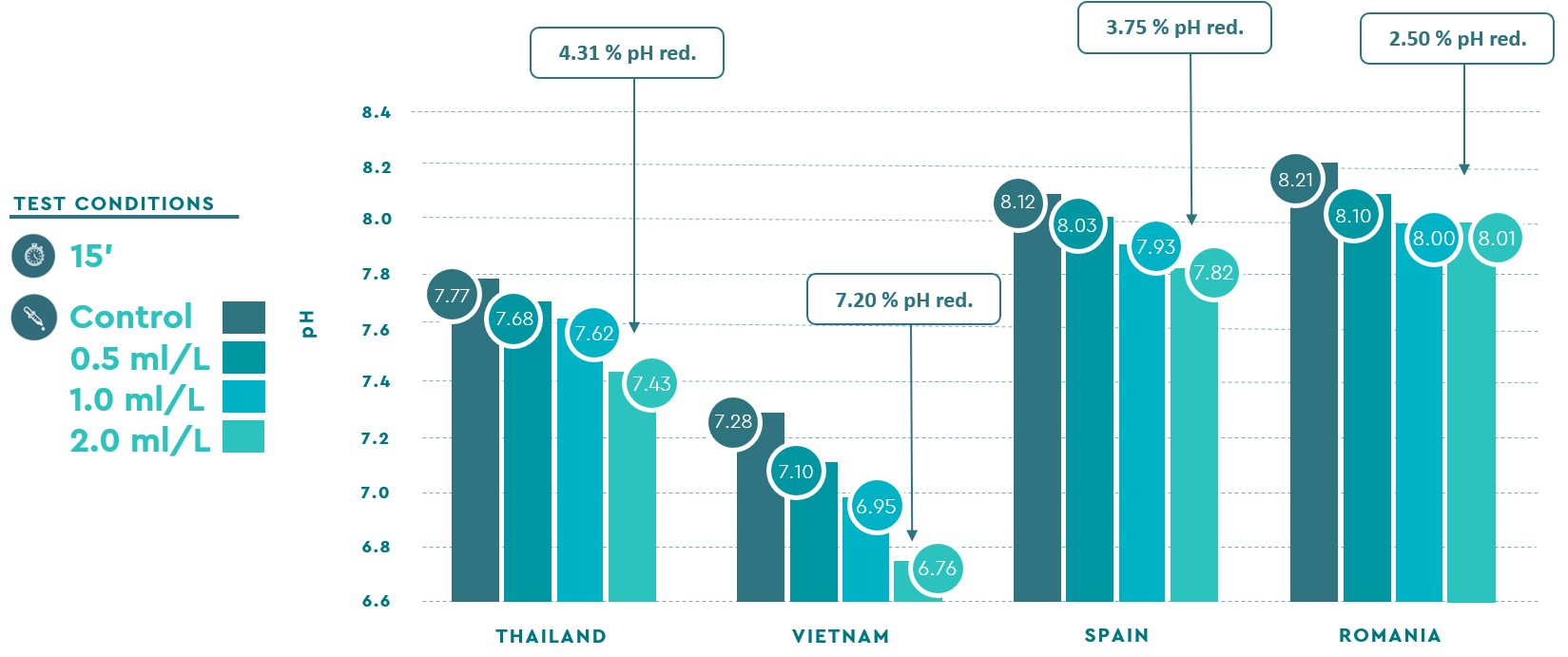
To experimentally validate the pH improvement effect, in 2024, drinking water samples were collected from farms in different regions (Mexico, LATAM, EMEA, APAC) to evaluate the product’s effect under field conditions. Many samples showed markedly alkaline pH (pH > 8), indicative of high salinity and greater microbiological risk. In all experiments, the use of BIŌNTE® QUIMITŌX® LIVŌX® reduced water pH by up to 7.20% at the maximum recommended dose, improving water quality in real farms across different regions.
Conclusions
Controlling drinking water quality is essential to protect health and performance in animal production. pH regulation through soluble and palatable additives is an effective tool to improve water quality, prevent microbiological contamination, and reduce the incidence of digestive disorders (e.g., diarrhea). BIŌNTE® QUIMITŌX® LIVŌX® is a solution with an innovative phytogenic combination of grape and olive to mitigate the negative effects of mycotoxins via drinking water and has demonstrated the ability to reduce water pH in farms across different regions, improving water quality and animal welfare.
Written by BIONTE Technical Department